Home  /  The Method  /  Four Pillars

The Method

Speed isn't a talent you're born with a fixed amount of. It's a set of mechanics that can be measured, trained, and rebuilt — and this is the system behind every KPM athlete.

4
Key Pillars
25–30%
Increase In Athleticism
20+
Years In The Business
12
Weeks Per Block
Why It Works

Four Pillars.

Most training chases fatigue — make them tired, call it work. KPM chases mechanics. Every athlete starts with a gait analysis, trains through proprietary resistance that loads the right positions, and progresses on a structured 12-week mesocycle.

Each pillar builds on the one before it. Master them in order and top-end speed stops being the goal — it becomes the by-product.

25–30%
Measured increase in athleticism across a full 12-week cycle — effective range, the space an athlete can cover and create.
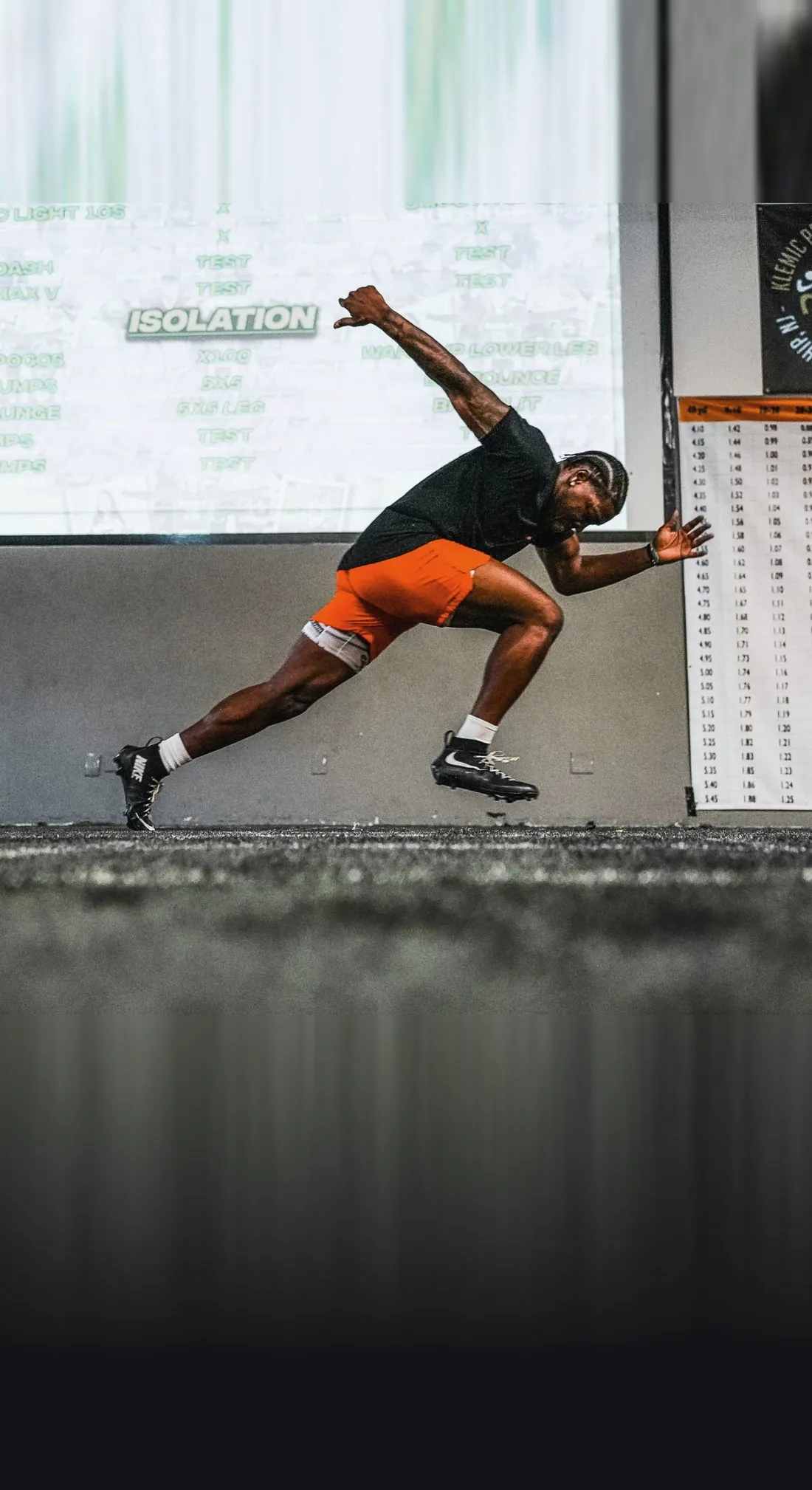
A KPM athlete driving out of a start in a deep forward lean. 01

Acceleration

The positive change in the rate of speed — and the most important quality any athlete can own, because it's the most used. Every sport starts from a static position or a sub-maximal speed. We shorten the time it takes to reach max velocity, so the first three steps beat everyone else's.

The most-used quality in every sport
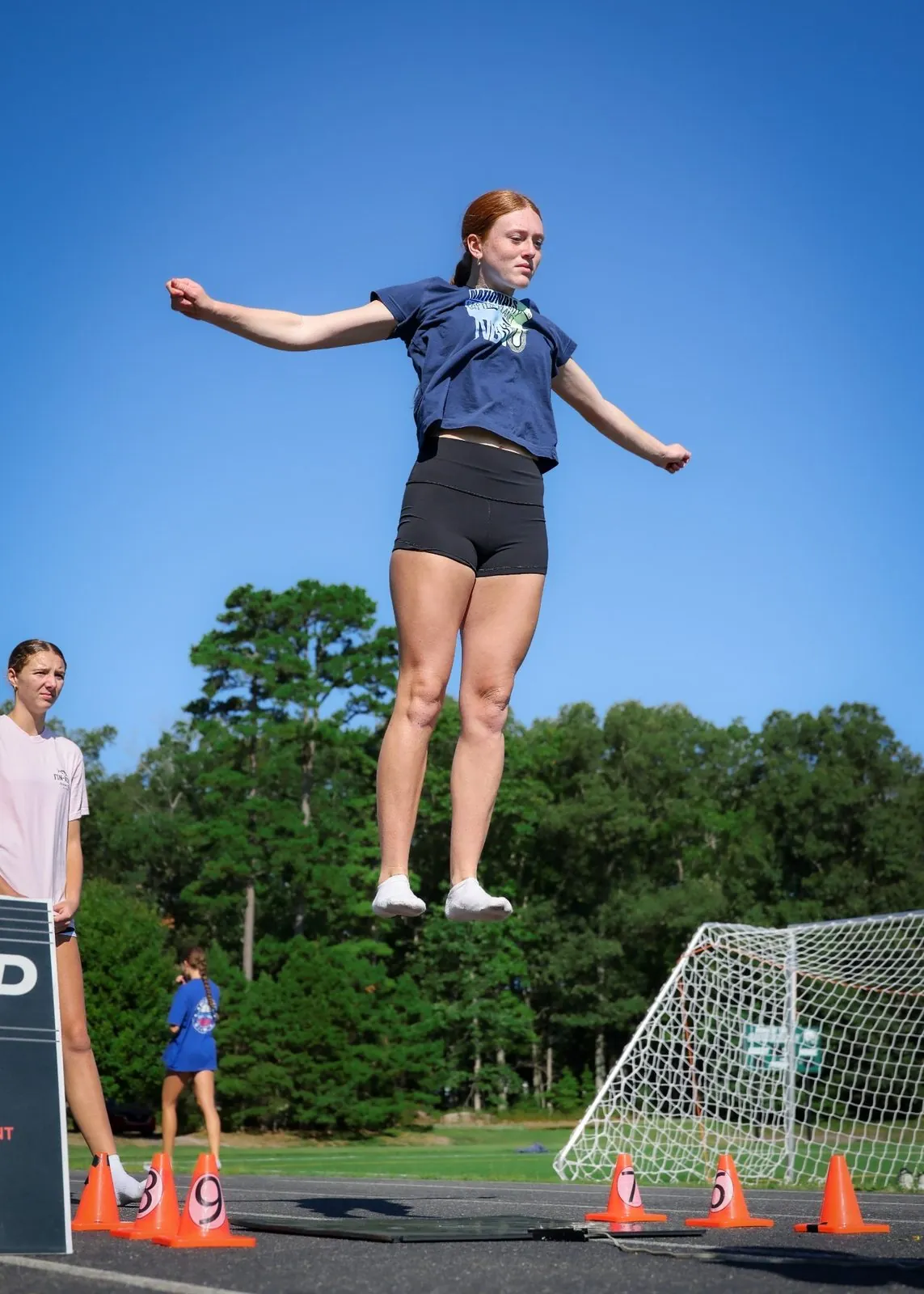
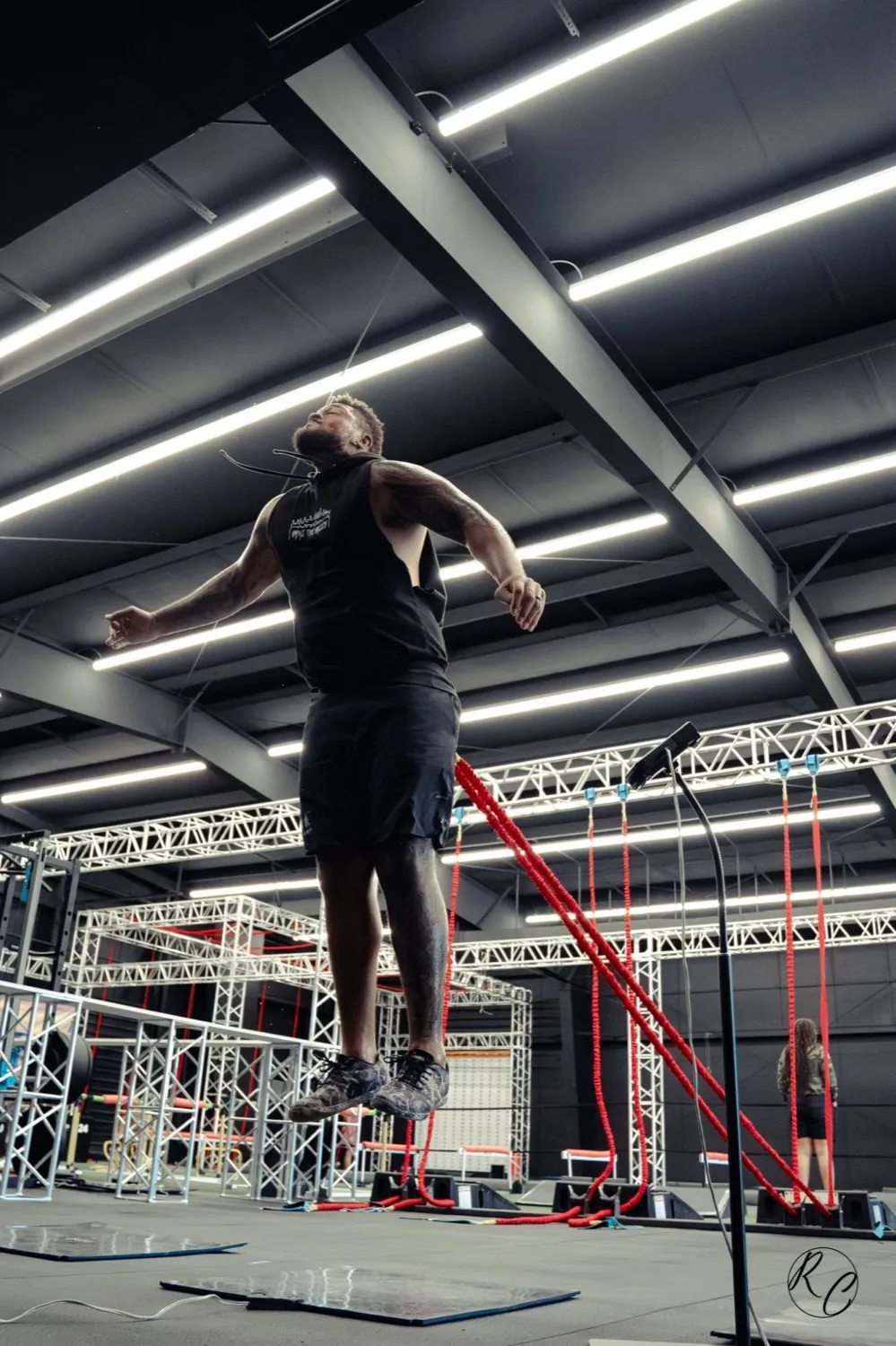
A KPM athlete at the top of a jump during force-generation work. 02

Initial Force Generation

Creating more force in a shorter window to displace the center of mass in the direction the athlete intends. IFG is the engine behind the first move — the jump off the line, the drive out of a cut, the explosion off the ground.

More force, less time, exact direction
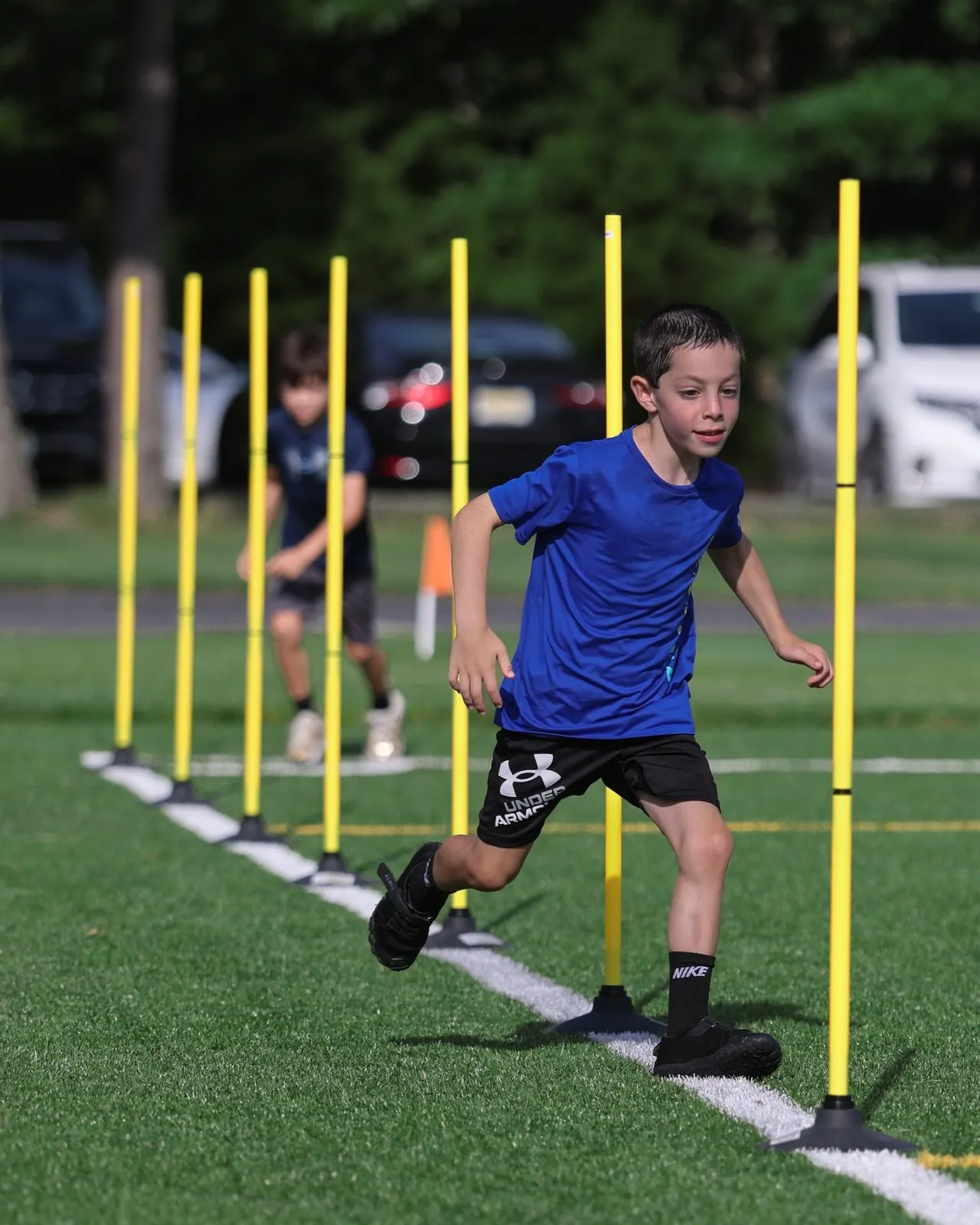
A young KPM athlete cutting through a pole grid on turf. 03

Center of Mass Management

The ability to direct the base of support into the most advantageous position to change direction or stop. We train the path there through specific tensions and positions. Think Barry Sanders on a cut, Jordan on a crossover, Messi on the ball — that's elite center-of-mass management.

Cut, stop, change direction — on command
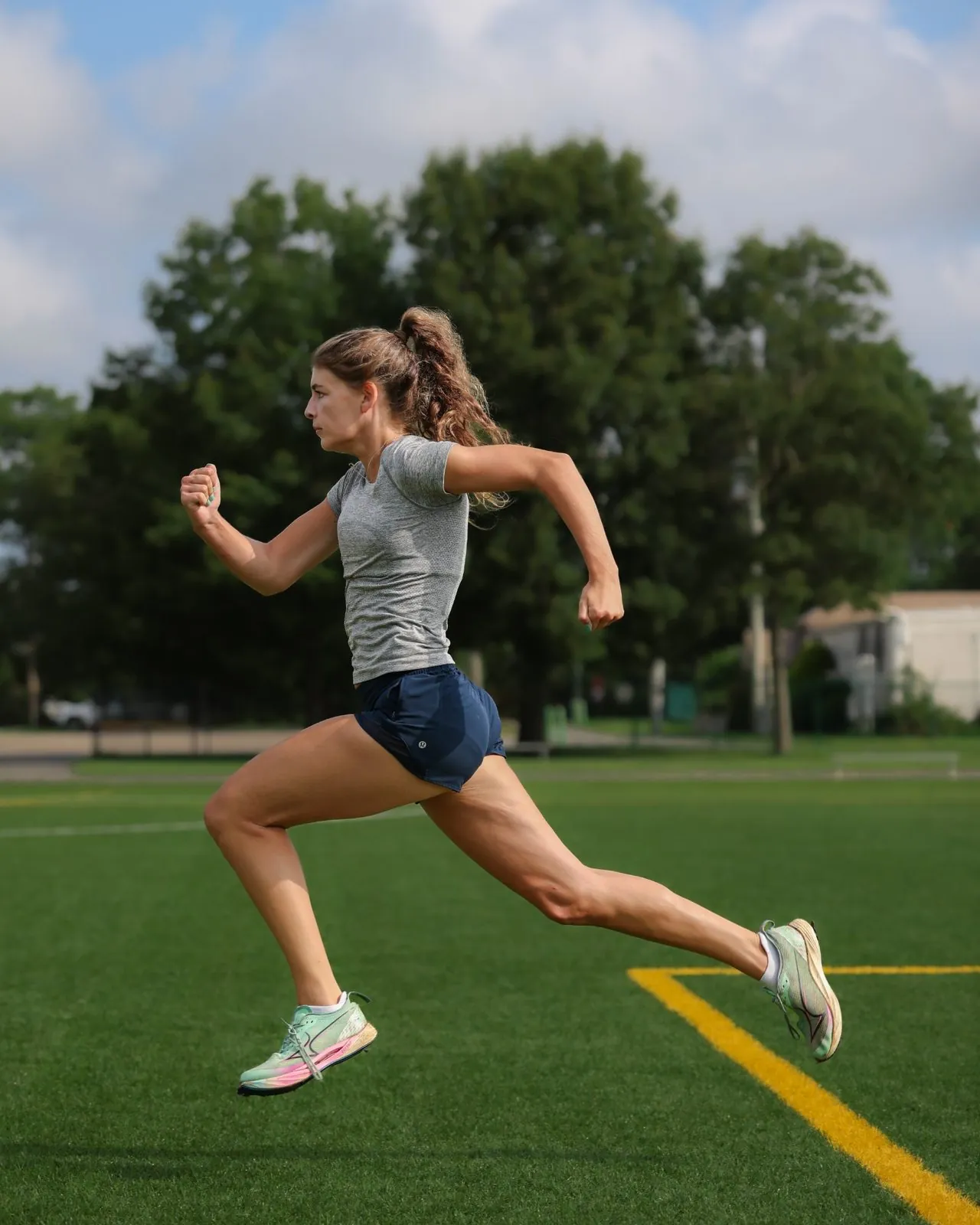
A KPM sprinter at full stride during max-velocity work. 04

Max Velocity

The final pillar and the ceiling-raiser. Max velocity work enhances the central nervous system's output, creating downstream gains across all three pillars beneath it. It's the most taxing training we do — and it requires more recovery than any other day in the program.

Raises the ceiling on everything below it
The Resistance

Measured resistance,
measured reps.

Every pillar on this page is trained against the same thing: a proprietary resistance, proven and refined across the life of KPM. It isn't a load bolted onto the athlete. The cords hold them inside a small percentage of the movement itself — the exact pattern we're trying to change — and every rep against it is counted.

An athlete at the top of a jump, still loaded against the resistance cord
What The Resistance Produces
Short TermFast Twitch Potentiation

The nervous system answers the resistance by upregulating. For a window afterward the athlete runs faster and jumps higher than they did going in — same body, same day.

That response is the whole point of the resistance, and it is the reason the reps are counted rather than guessed at.

How We Know

Tested, Then Tested Again

We don't take the effect on faith. We test, apply the resistance, and re-test to confirm the central nervous system is actually upregulated. The resistance has been tweaked over the life of KPM on the back of those numbers.

Why Not The Weight Room

Too Slow, And In The Way

Weights and sleds build general strength and they have their place. But they're too slow to create the nervous-system adaptations the cords do, and they inhibit natural movement and sequencing. The cords don't — they sharpen specific motor-neuron recruitment and the exact sequence behind acceleration, jumping, and change of direction.

General strength is a different job, done a different way. This is the part that changes how fast the signal gets there.

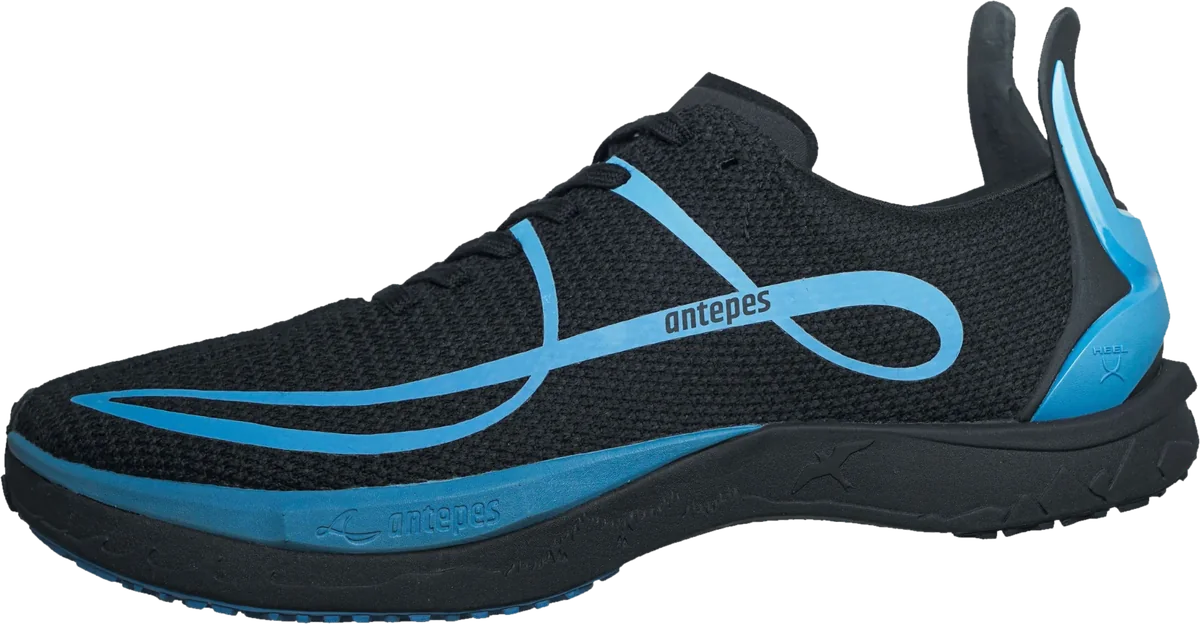
The Antepes Muscle Runner, a black and blue forefoot-strike training shoe, in profile
Antepes
The Official Shoe

The only shoe that coaches every stride.

We proudly endorse the Antepes Muscle Runner as the official shoe recommended by Klemic Performance Method. It works proper foot placement and gives direct feedback from the ground — not once a session, but on every single stride.

KPM athlete discount Use code KPM at checkout

KPM earns a small commission on orders placed with this code.

Inside a Session

Seventy-five minutes.
Three days a week.

Fifteen minutes of pre-practice, then sixty minutes of training, eight athletes to one coach. Each of the three days goes at one quality — one acceleration day, one initial force generation day, one max velocity day. Twelve weeks of that, and then you test out.

75MIN
Per Session
15 Pre-Practice + 60 Training
3DAYS
Per Week
One Quality Per Day
8:1
Athletes Per Coach
Every Rep Is Seen
12
Weeks Per Block
Then You Test Out
Athlete Education

They leave knowing why it worked.

Every class opens with the intent and closes with a test. An athlete who understands what a day is for is an athlete who can coach themselves on the days we are not there.

  1. Every class opens

    Setting the intent

    Before a rep is run, the room is told what the day is and why — what it does physically, what it does technically, and which of the four pillars it belongs to. Nobody trains a session here without knowing what the session is for.

  2. Every class closes

    The quiz on the jumbotron

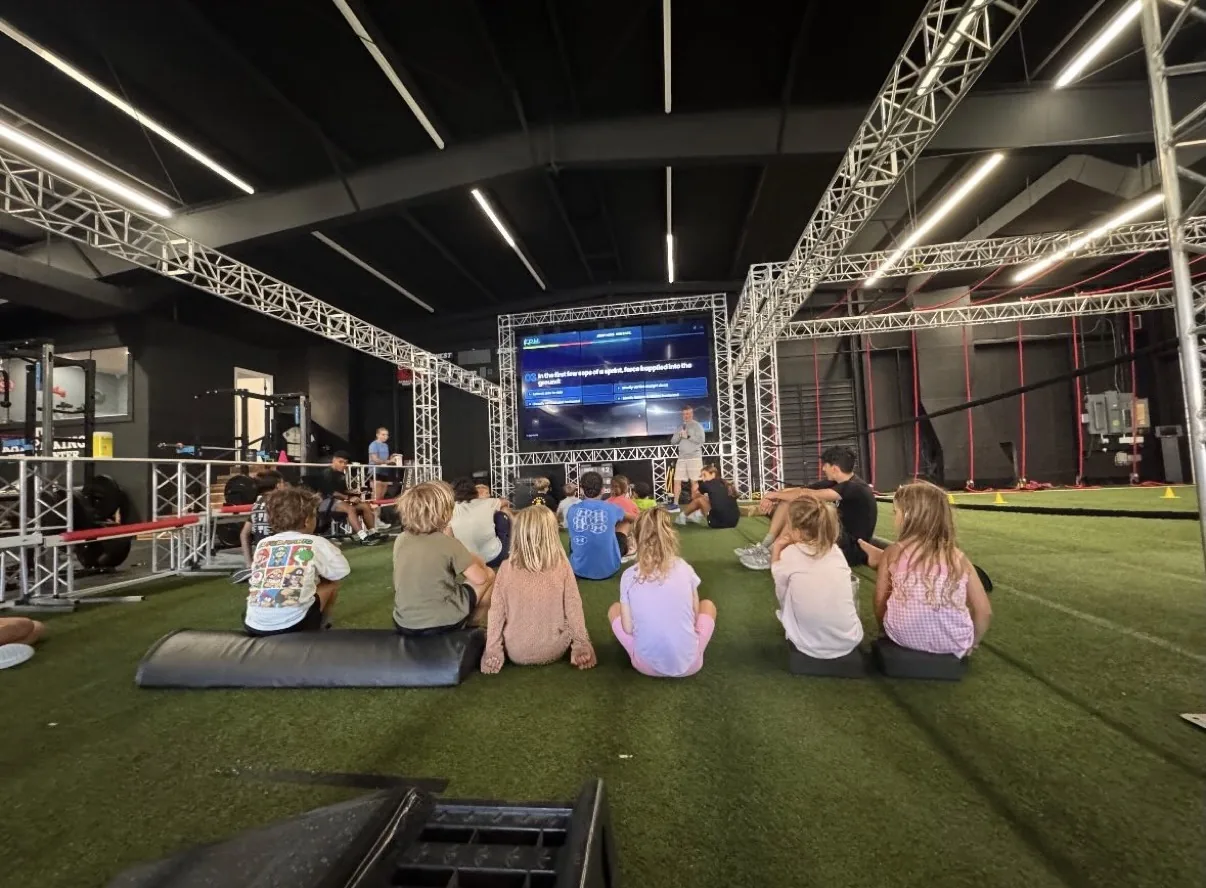
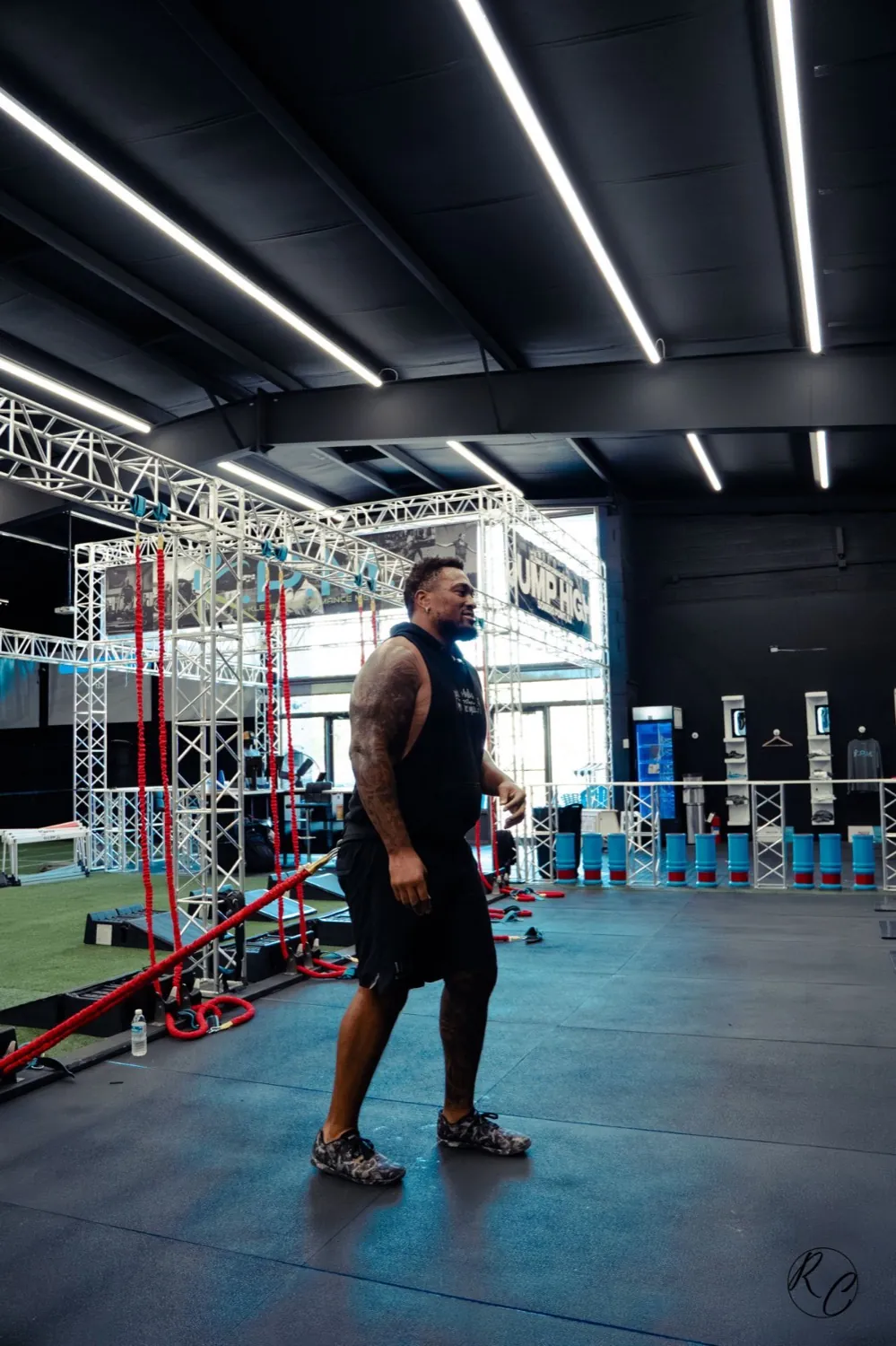
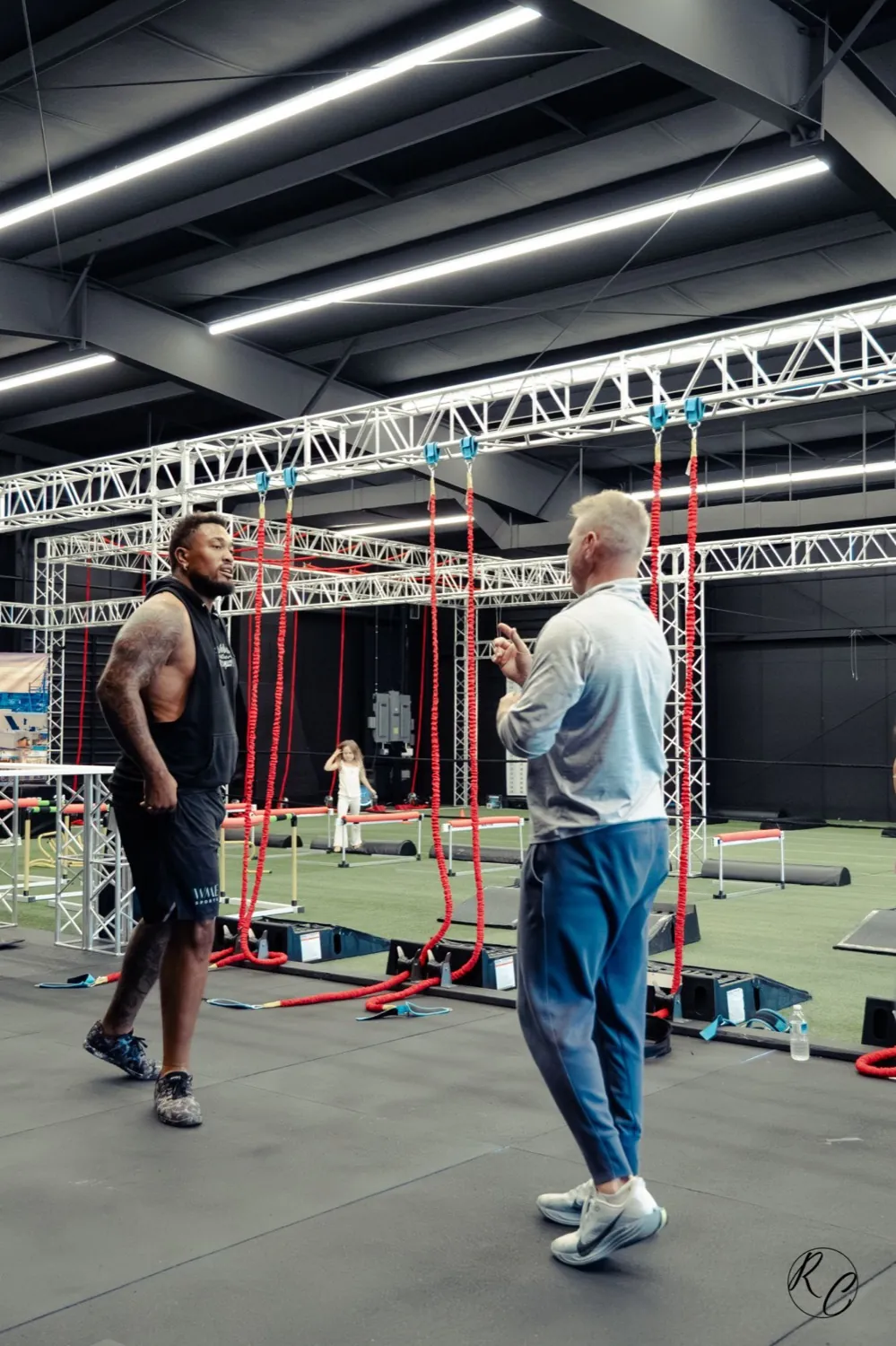
    A multiple-choice test on the big screen, reviewing what just happened on the floor. Proctored by Coach David Klemic or Cruz Lewis, and every answer comes back with the reason it is right.

Athletes sitting on the turf at KPM, watching a multiple-choice question on the big screen
The room, at the end of a session.
Four pillars, five questions, and the reason each answer is right.
How a Cycle Works

From first look to measurable gain.

STEP 01

Gait Analysis

We start by measuring how the athlete actually moves — not how they should. That baseline tells us exactly which pillars to prioritize.

STEP 02

12-Week Mesocycle

A structured block that loads the right positions with proprietary resistances and progresses deliberately, with recovery built around max-velocity days.

STEP 03

Re-Test & Return

We measure again. Athletes leave with proof, not a feeling — and, for return-to-play cases, the confidence to compete again.

The Proof

The number isn't a claim.

Twenty-five to thirty percent more athleticism across a cycle, measured since 2002 across more than three thousand athletes. Not a survey and not a feeling — every number came off our own timing gates and jump mats, before and after. The athletes behind it are named on the alumni wall.

The Athletic Composite Score

Seven tests.One number.

We can put a number on how athletic your athlete is — and then move it. The seven tests roll up into a single Athletic Composite Score, so athleticism stops being a thing people have opinions about and becomes a figure on a page.

Twelve weeks later we run the same seven and score it again. "He seems faster" becomes a number that went up, next to the one it started at.

3,000+
Athletes Measured
Tested In and Tested Out
7
Tests
10, 20, Vert, 4-Jump, Broad, Lateral Bound, RSI
25–30%
Increase In Athleticism
Per 12-Week Cycle
100+
Named On The Wall
In College And The Pros
See the athletes
Who It's For

The younger the better — and not everyone.

STARTING AGE

There Is No Minimum

There's no specific age to start, and earlier is better. A young nervous system is more plastic — and plasticity is exactly what this method works on. Waiting until high school means training the same qualities against more resistance.

COMING BACK

Return To Play

We take return-to-play athletes, many of them referred by Dan Gorrin, the physical therapist at Spectrum Fitness Rehab & Peak Performance, whose practice is in our building. They leave with numbers rather than a feeling — which is usually what it takes to trust the leg again.

Book Physical Therapy
WHO WE SAY NO TO

Not Every Athlete

Testing in is a real gate, not a formality. If the analysis says an athlete is at risk of injury, we tell you, and we don't train them. It's the one result nobody wants and the reason the rest of the numbers mean anything.

See the method
in person.

Book a gait analysis and we'll show you exactly where your athlete stands — and where the method can take them.

Book a Gait Analysis Or call — 610-283-4598
514 New Road · Somers Point, NJ