Gait Analysis
Seven tests, scored into one number. It tells us which pillar to attack first, and everything after is measured against it.


Six paths, one method. Whether it's a five-year-old learning to move or a pro tuning the last tenth, everyone trains the same four pillars — scaled to exactly where they are.
Nobody trains here until we have measured how they move. Which test you book depends on one thing — whether your athlete has trained here before.
Seven tests, scored into one number. It tells us which pillar to attack first, and everything after is measured against it.
The same seven tests, run again. You do not start over — you start from your last set of numbers.
Ages five to pro, every sport. Pick the slot that works around your week and keep it for the whole twelve-week cycle.
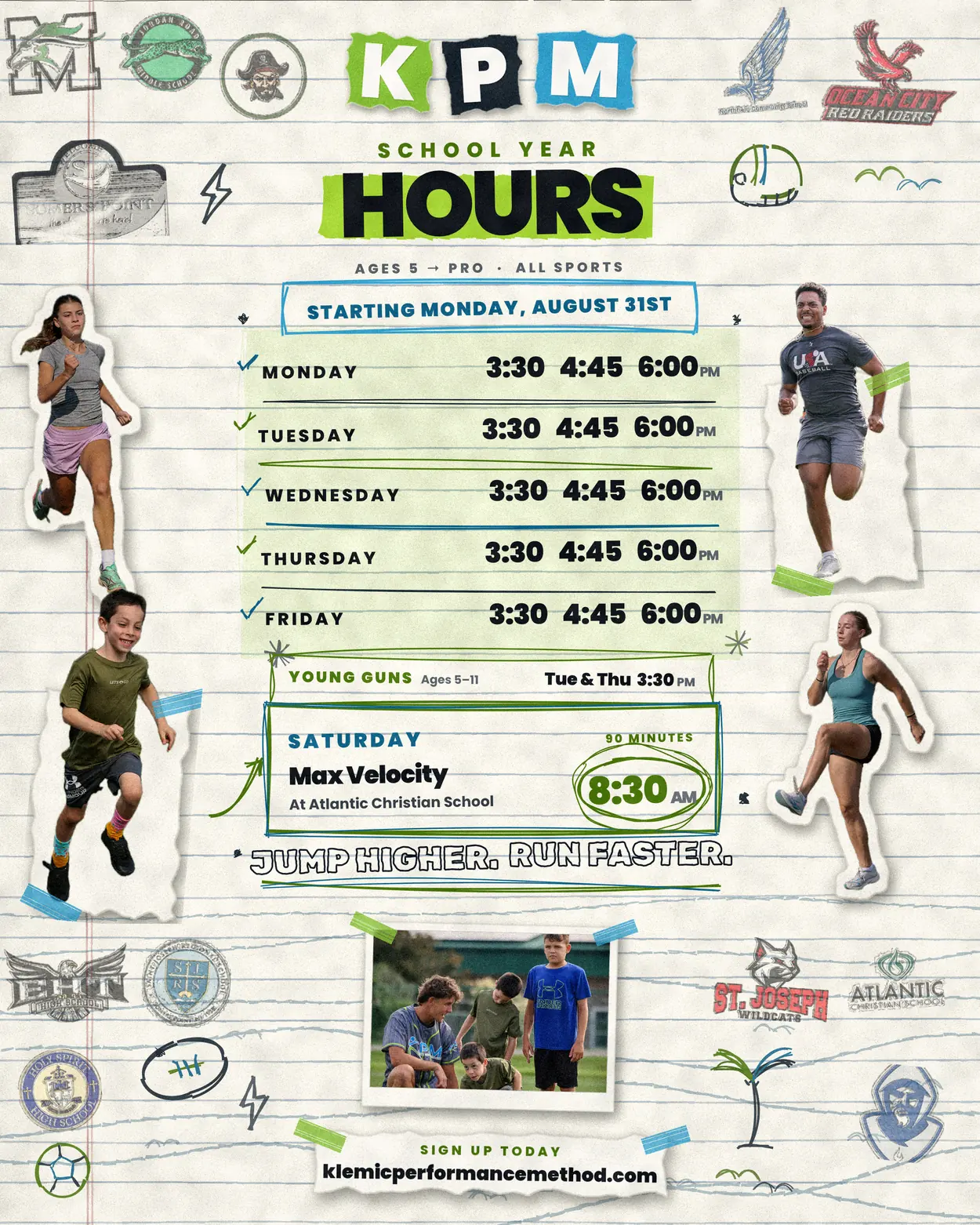
Two days a week
Small groups, and it ends with a re-test on the same tests they started on.
Three days a week — pick one track and stay on it
Pick the one that works around your week and keep it for the whole 12-week cycle. Saturday is the 8:30 AM max-velocity session — 90 minutes at Atlantic Christian School, 391 Zion Road, Egg Harbor Township (directions).
Every sport is an argument over ground. How much your athlete can cover before the kid across from them gets there — and how much they can create between themselves and whoever is trying to close it.
Goals, tackles, saves, at-bats, minutes on the field — those are the receipt. Space is what paid for them. It's also the one thing on that list you can actually train, measure, and re-measure twelve weeks later.
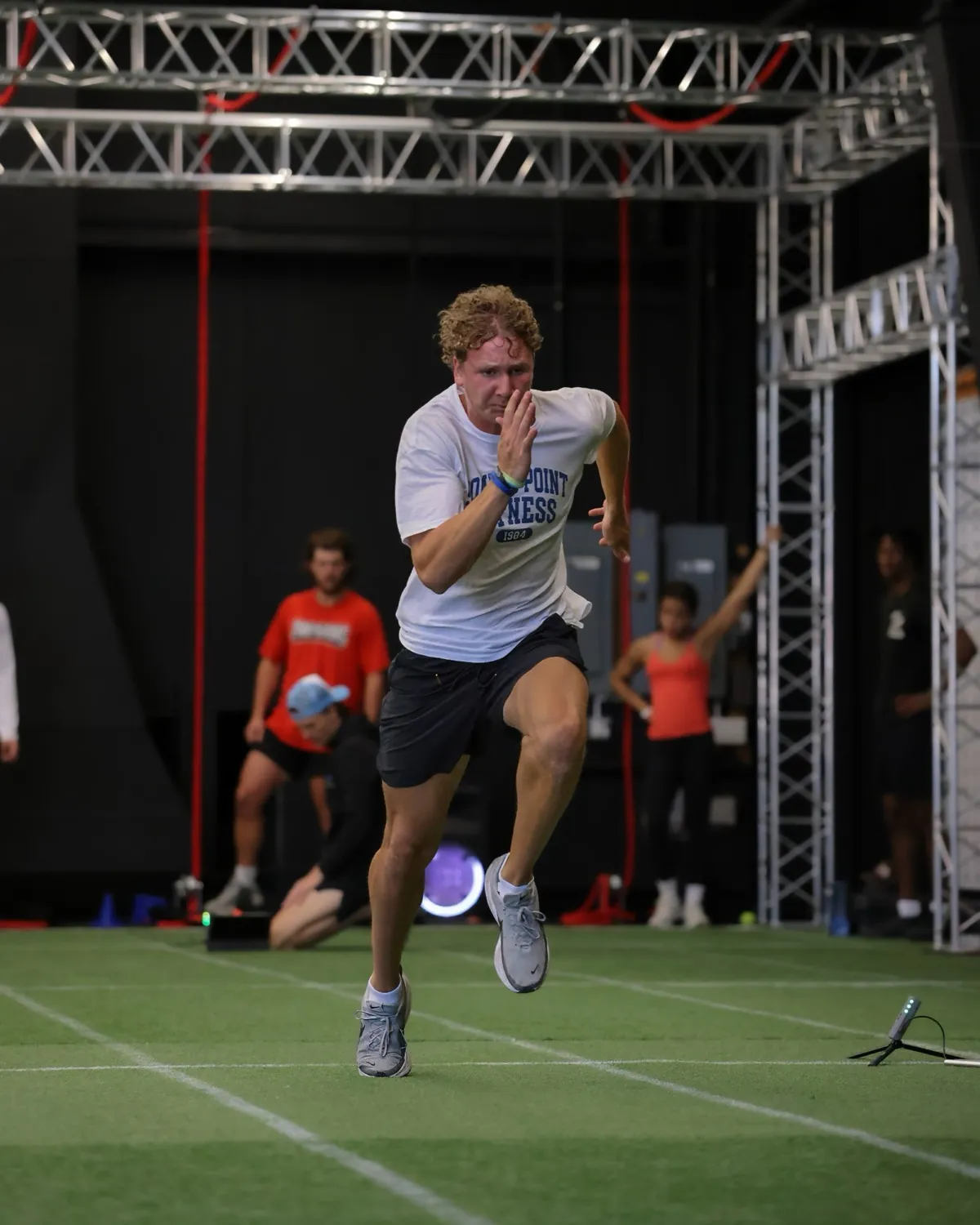
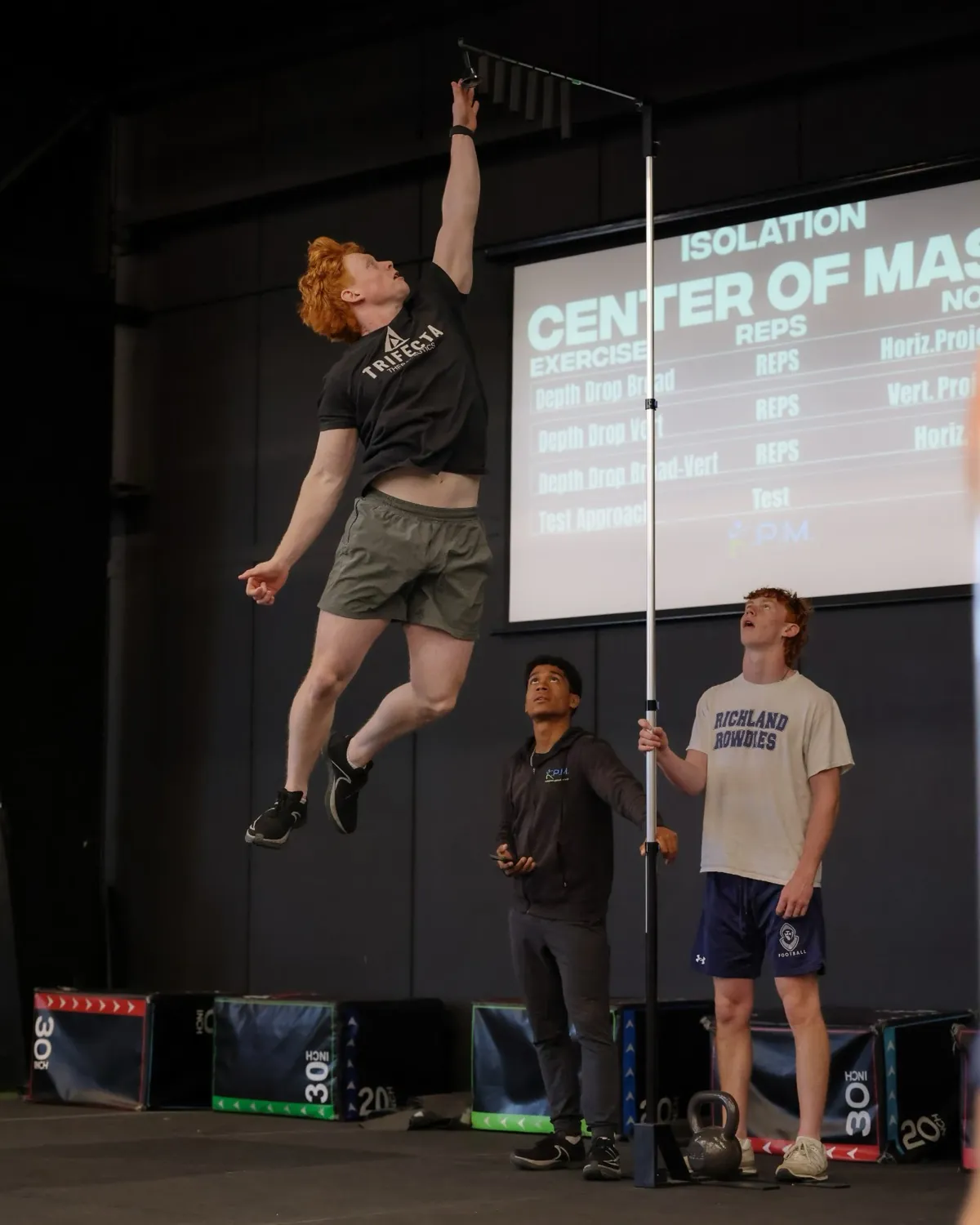
So that's what we measure. A vertical jump is space made straight up. A broad jump is space covered in one movement. A 10-yard sprint is space covered from a standing start, which is how nearly every play in every sport begins. Top speed is space covered per second at full stride.
Those four are the base tests behind the pillars, not the whole picture — the full gait analysis runs seven and scores them together. Move those numbers and your athlete is a different player in the same body, before they've learned a single new skill.
That gap is what a re-test measures. It is not a feeling that he looks quicker — it is ground, and we can put a number on it. The forward jump is one of the three that make up Athletic Currency; sideways moves a median +11% and the vertical +24% over the same twelve weeks.
Gabby went from 14.55 to 17.33 mph. At top speed that is four more feet of ground under her every single second she's running — the difference between arriving with the ball and arriving after it.
Liam's broad jump went 6′9″ to 8′5″. That's a foot and eight inches of separation produced from a standstill, in the exact window a first step lives in.
Rocco ran 1.81 down to 1.60 in the 10-yard. Two tenths sounds like nothing until you watch it as a gap — it's a full body length on the defender who used to be even with him.
Speed converted at 1 mph = 1.47 ft/sec. Every number on this page came off our own timing gates and jump mats, before and after, on real athletes you can find on the alumni wall. The first-cycle figures above are typical ranges for high-school athletes — what we measure, not what we guarantee.
The space an athlete can cover or create — the forward and sideways jumps added together, then multiplied by how high they get. The bigger it is, the more they make on offense and take away on defense. To compete at the next level you have to move like the athletes already there. Athleticism is the barrier to entry.
The broad jump — ground covered in one movement. A median 13 inches added over a first cycle.
The lateral bound — ground taken across. A median 8 inches, the direction most programs never measure.
The vertical leap, which multiplies both of the others. This is why it moves the currency furthest.
Every forward jump is scored against the KPM standard for that athlete’s age, which puts them in one of four bands. These are all 48 athletes whose first cycle has been verified end to end — the same jump, the same equipment, twelve weeks apart.
Nobody arrived Elite. Twelve left Elite. The Developing band emptied from 18 athletes to 3, and 38 of the 48 moved up at least one band. Athletic Currency itself rose a median 45% across the 46 athletes with both jumps on record — half between +34% and +57%, and every one of the 46 went up.
Those are typical first-cycle figures for healthy high-school athletes training the full twelve weeks, measured on our own gates and mats. It is the range we see, not a guarantee.
What a first 12-week cycle typically moves for a high school athlete who has never trained with us before. Same tests, run before and run again at the end. These are the ranges most athletes land in — not the best day anyone ever had.
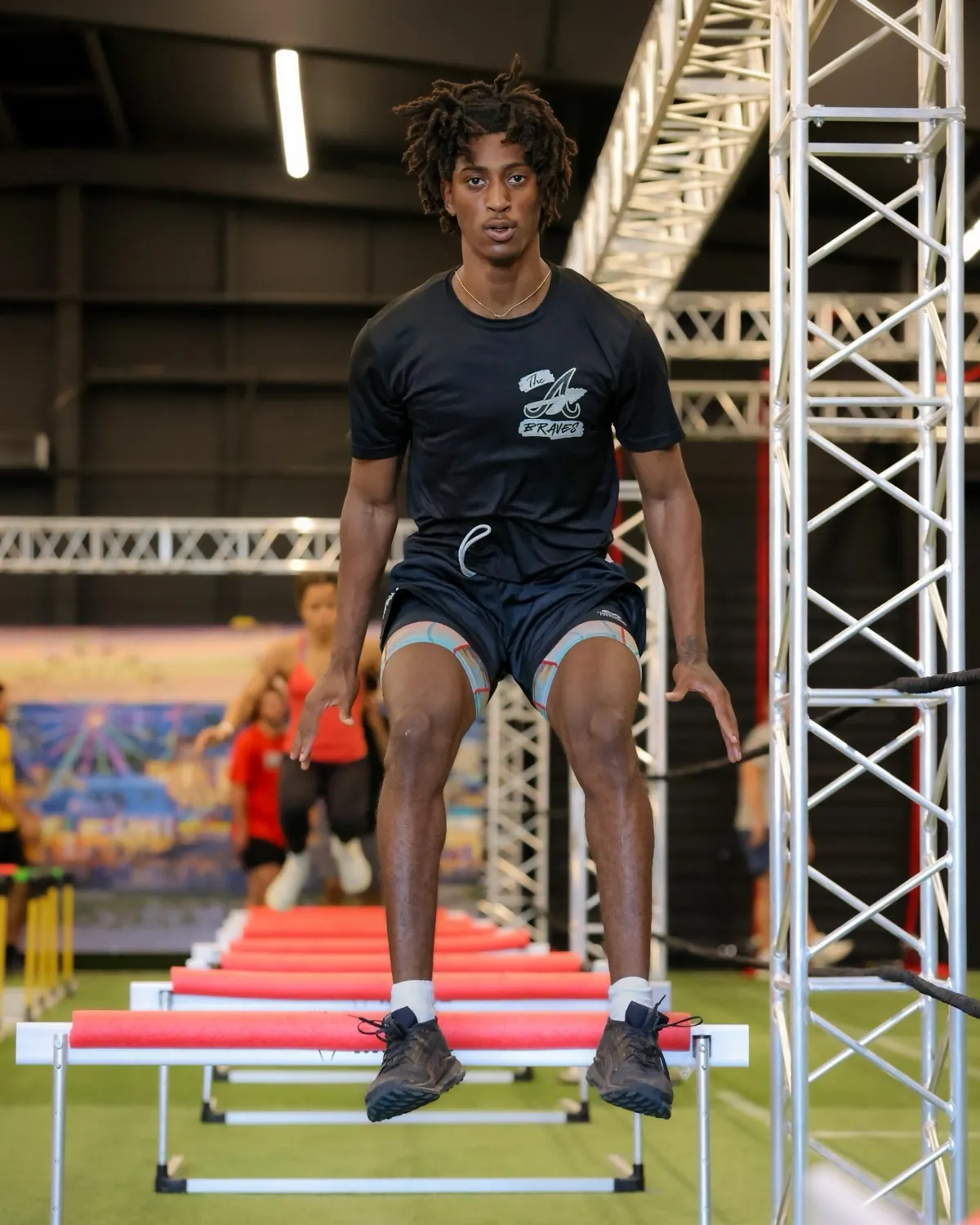
In space: 2.2 mph is roughly three and a quarter more feet of ground every second at full speed — and he gets there sooner, because the first ten yards got up to a quarter of a second shorter.
Put on 90 lbs and grew 6 inches over the same period.
Four years at KPM — not one cycleIn space: a foot of broad jump is a foot of separation created out of nothing, and 2.2 mph puts another three and a quarter feet of field under her every second she is sprinting.
These are individual athletes with names, schools, and re-test dates — not an average across a sample. What your athlete gets out of a first cycle depends on their training age, their sport, their season, and how much of the block they actually show up for. The gait analysis is where we tell you what to expect from yours.
Same four pillars in every one. What changes is the age, the group, and how hard we push.
All six start the same way. No athlete trains here until we have measured how they move.
Seven tests, one score. The number everything after is measured against.
Book a Gait Analysis →We re-measure, set the new score beside the old, and build the next block around the gap.
Book a Test-In →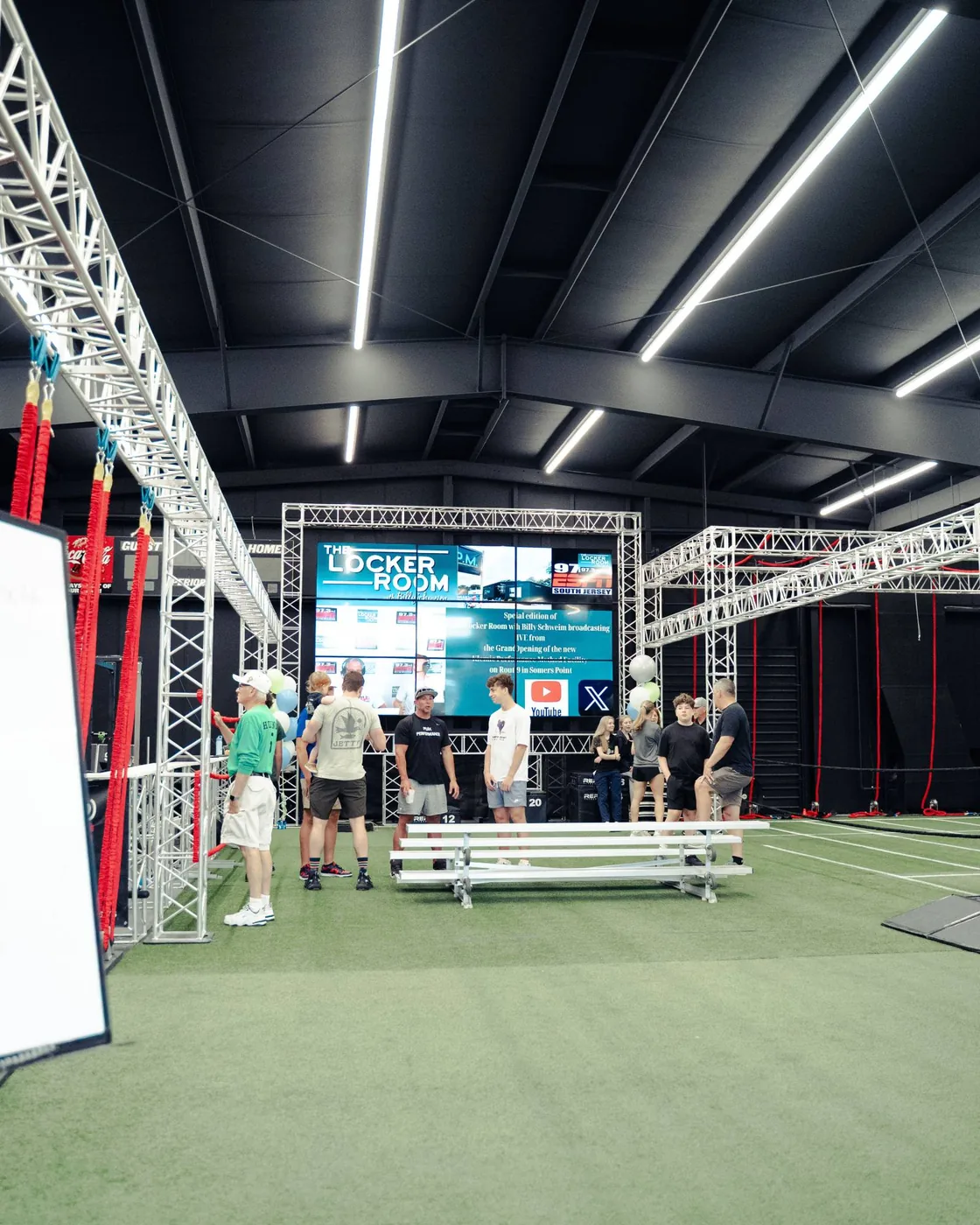 New · Adult class
Retired Athletes
KPM’s first adult class. Laser-timed sprints, jump testing and speed work for adults who want to compete again.
Register now →
New · Adult class
Retired Athletes
KPM’s first adult class. Laser-timed sprints, jump testing and speed work for adults who want to compete again.
Register now →
 New · Women’s class
Women’s Athletic Club
A high-intensity, athletic workout for women: intervals, conditioning, light jumps and resistance.
Register now →
New · Women’s class
Women’s Athletic Club
A high-intensity, athletic workout for women: intervals, conditioning, light jumps and resistance.
Register now →
 Ages 5 – 11
Young Guns
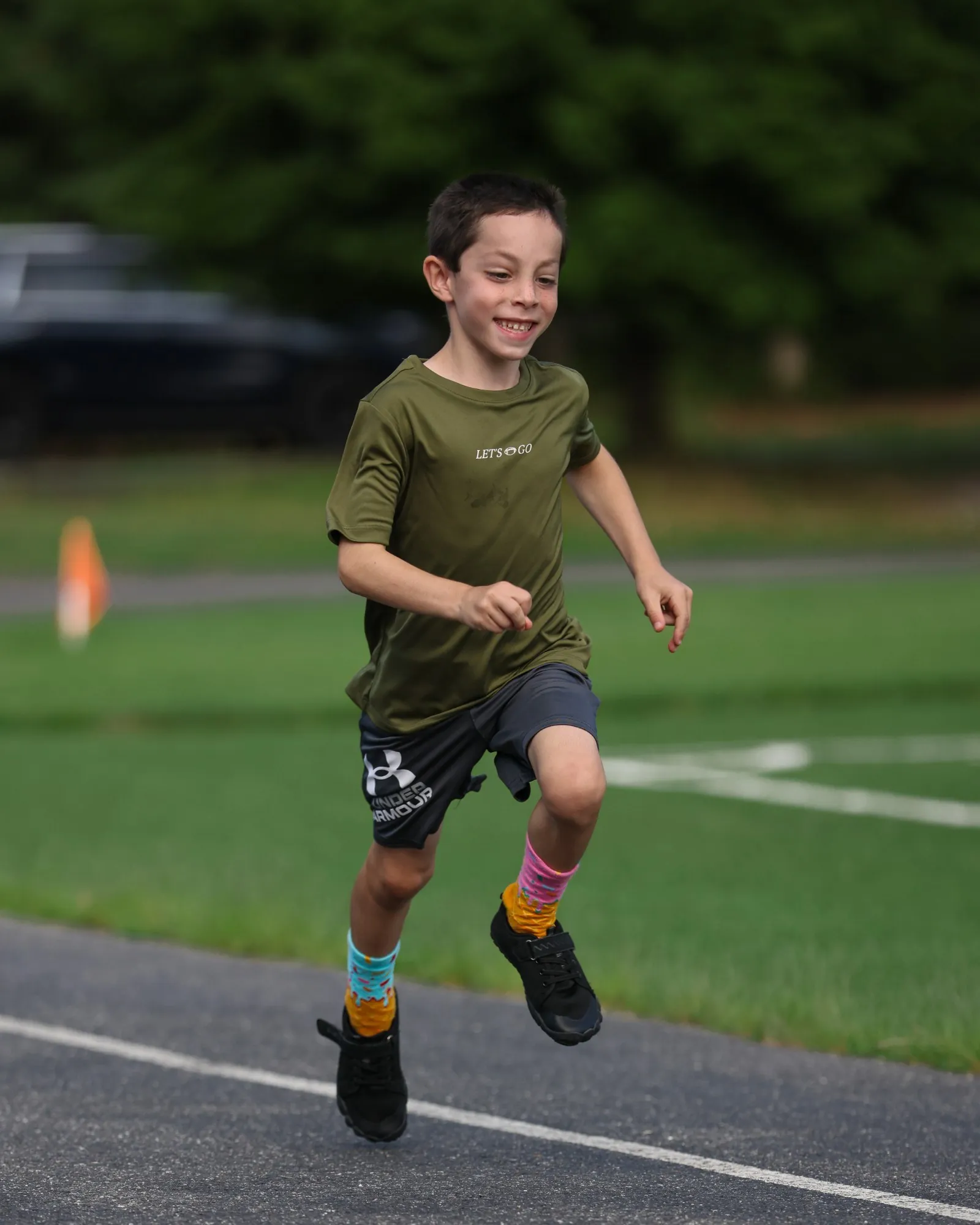
Movement before exercise. How to accelerate, how to stop, and above all how to land.
See the program →
Ages 5 – 11
Young Guns
Movement before exercise. How to accelerate, how to stop, and above all how to land.
See the program →
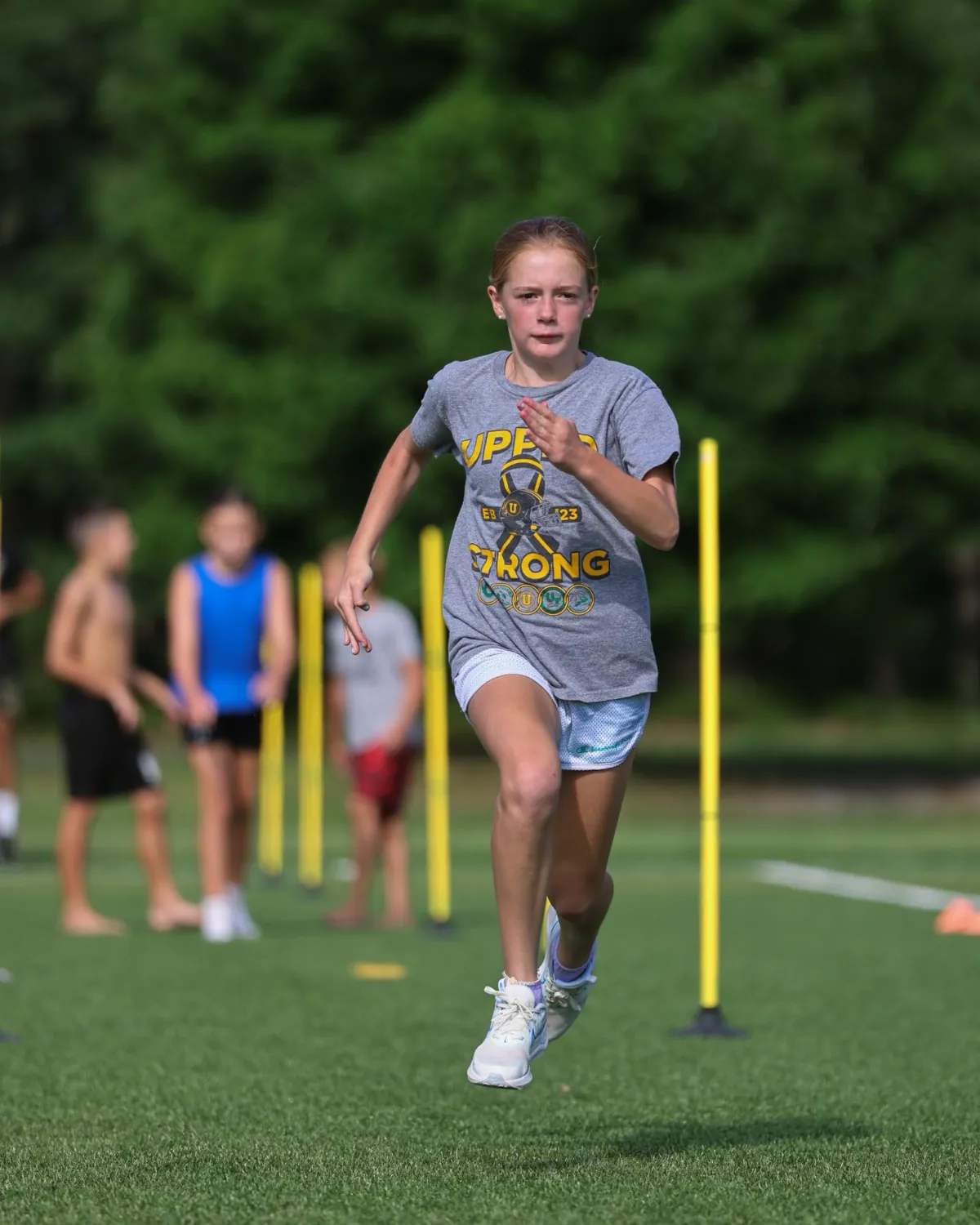 Middle School to College
New Athletes
The first block. Gait analysis, four pillars, three days a week, then a re-test.
See the program →
Middle School to College
New Athletes
The first block. Gait analysis, four pillars, three days a week, then a re-test.
See the program →
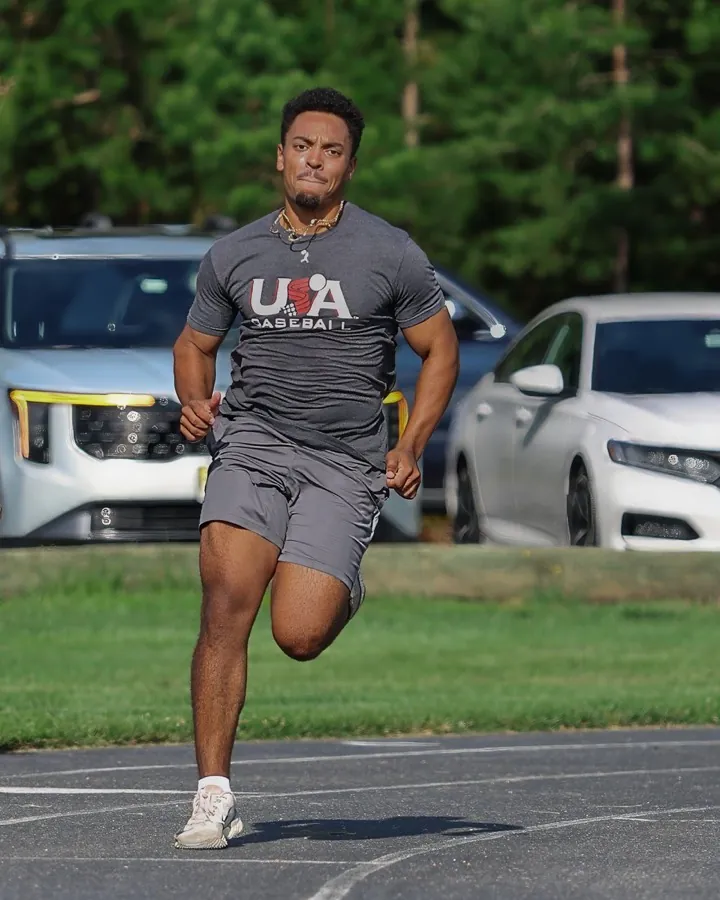 Middle School to College
Veteran Athletes
You do not start over. You start from your last set of numbers.
See the program →
Middle School to College
Veteran Athletes
You do not start over. You start from your last set of numbers.
See the program →
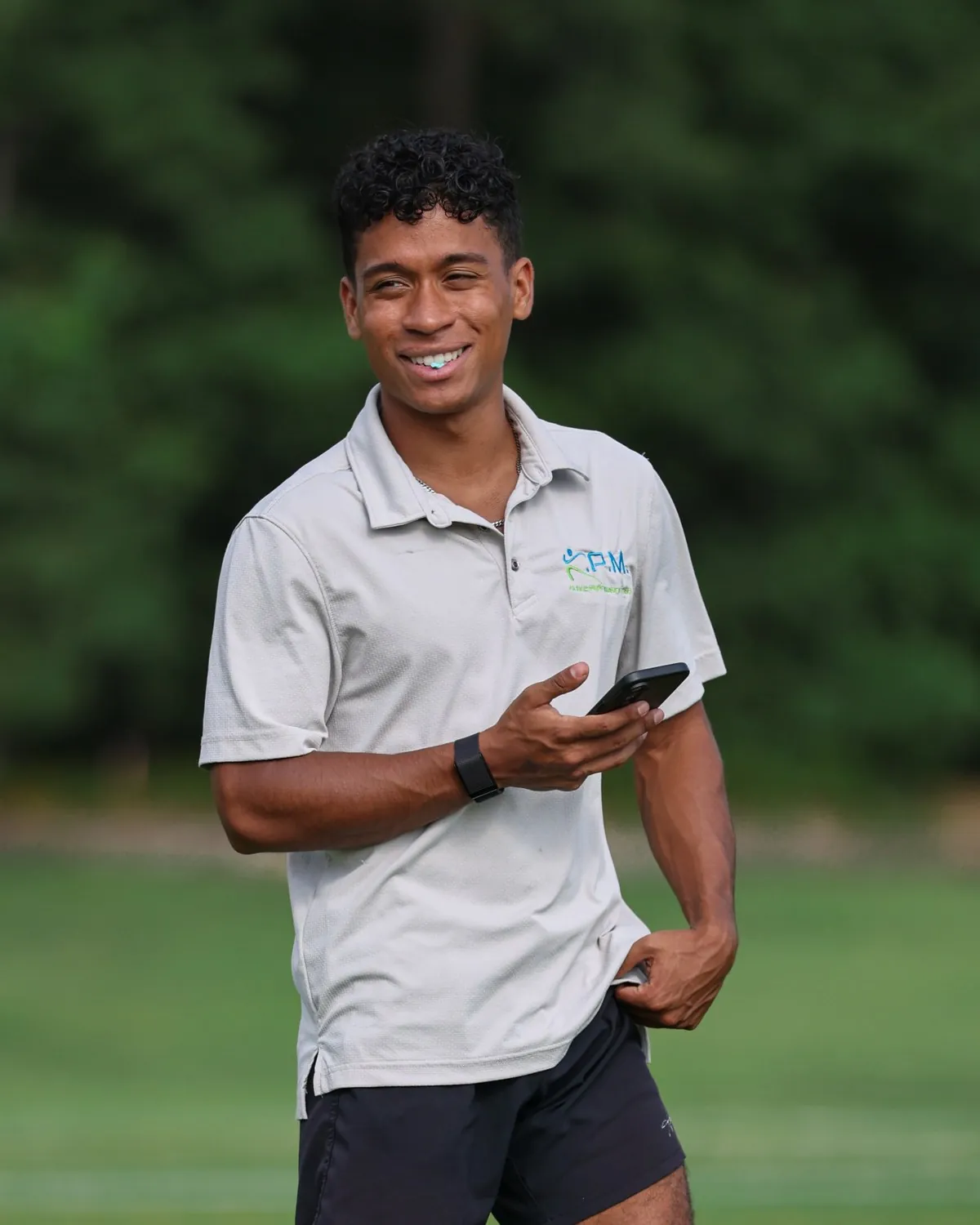 All Levels — By Appointment
Private Training
One athlete, one coach, built on that athlete’s own gait analysis.
See the program →
All Levels — By Appointment
Private Training
One athlete, one coach, built on that athlete’s own gait analysis.
See the program →
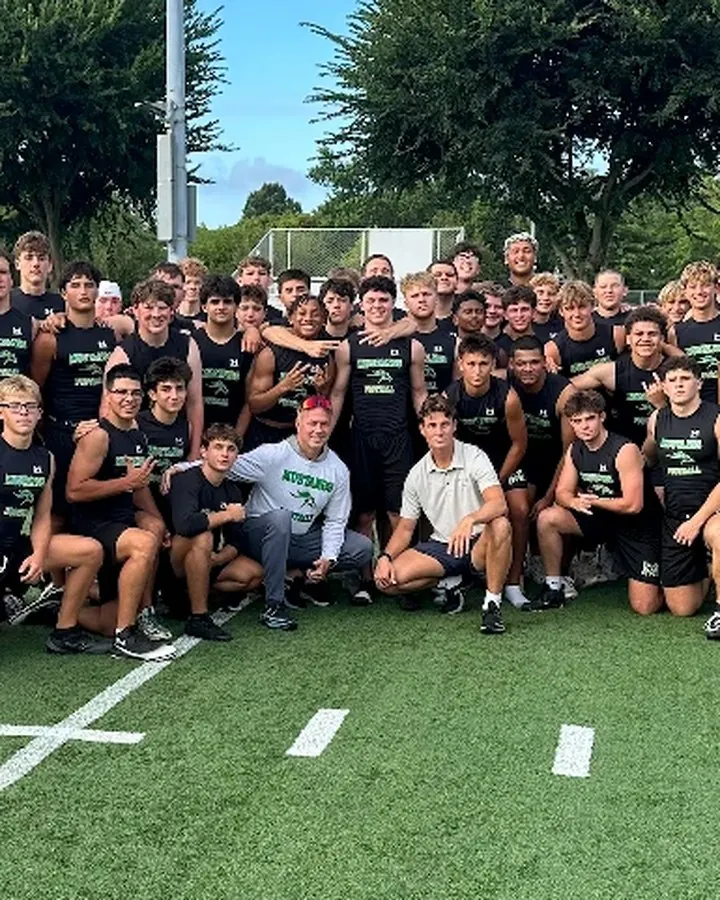 Teams & Rosters
Team Testing & Training
The whole squad measured, trained and re-tested. One report for the staff.
See the program →
Teams & Rosters
Team Testing & Training
The whole squad measured, trained and re-tested. One report for the staff.
See the program →
 Anywhere
Online Programs
The same programming, delivered through the KPM app, anywhere.
See the program →
Anywhere
Online Programs
The same programming, delivered through the KPM app, anywhere.
See the program →
Same four pillars in every sport — but a wrestler needs explosive power where a sprinter needs top-end speed. What changes is which pillar we go at first. Find your athlete's sport.
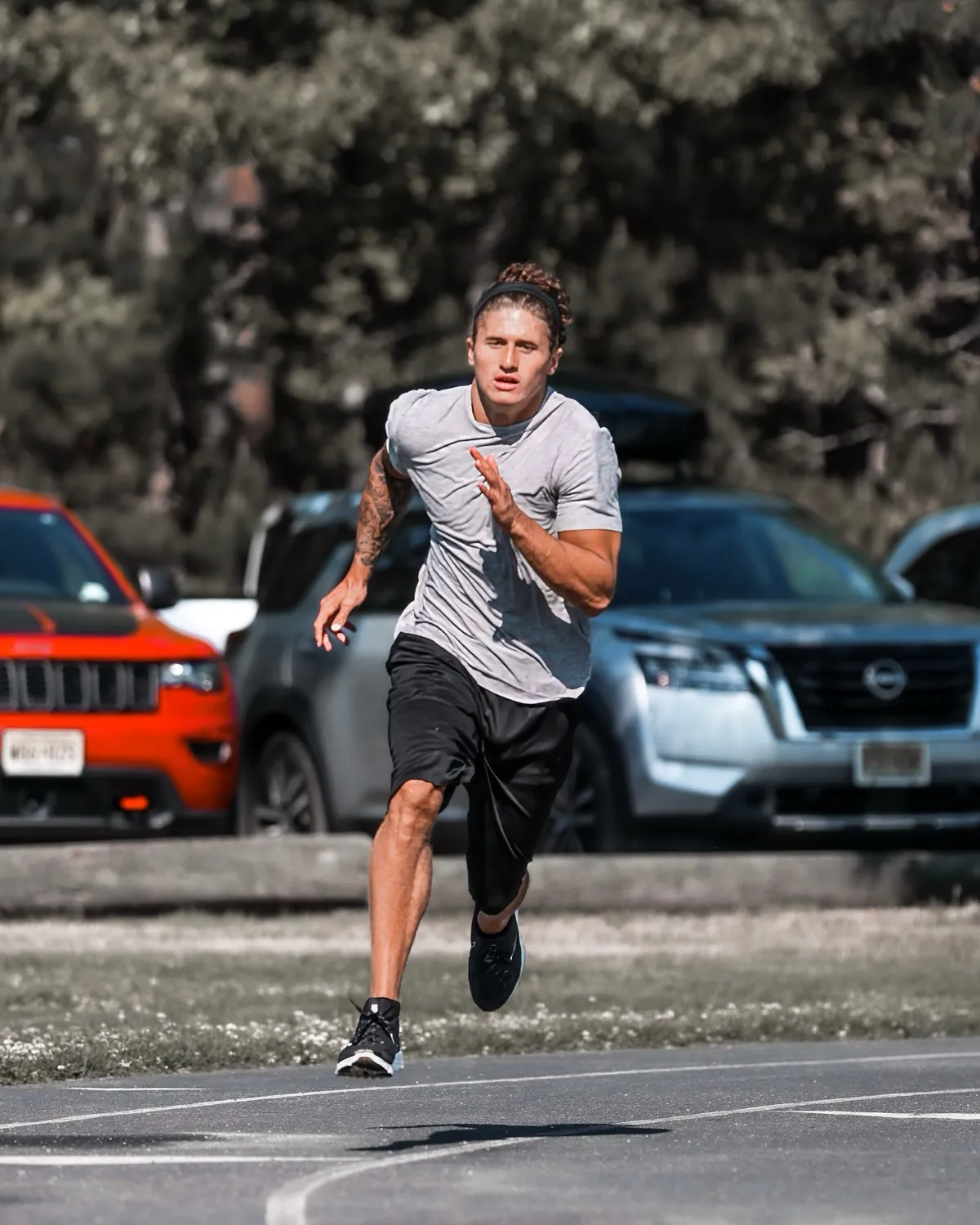
Almost nothing happens past ten yards. Space here is the gap you open in the first three steps — off the line, out of a break, through a hole that closes in half a second.
Two kinds of space: the yard you create to receive, and the forty you have to recover when possession flips. One is a first step, the other is top-end speed you can hold in the 80th minute.
Space is vertical and it's lateral. Inches at the rim, and the distance you can cover on a closeout before the shot goes up. Both come out of how fast you can put force into the floor.
The dodge is the whole sport. Space is what you steal when you change direction without losing your posture — and how much of your speed survives the turn.
You play the entire game bent over a stick, which is exactly the posture most athletes leak force in. Space is the first three steps out of that low position, over and over, for seventy minutes.
Home to first is a 10-yard dash with a swing in front of it. In the field, space is the first step — the half-second before you've decided which way the ball is going.
Here the space is the scoreboard. Nothing gets translated — a faster 10-yard split, a higher vertical and a longer broad jump show up on the clock and the tape the same week they show up in testing.
Space is the inches at the top of the approach jump, and how much of them you still have in game four. It's a force problem before it's a jumping problem.
Space is closed, not created. The shot is a broad jump with a level change in it, and the sprawl is deceleration under load — two things we can measure and two things that get better fast.
The skate stride is its own skill and we don't touch it. What we do own is the engine underneath it — the force and the first three strides that decide whether you win the gap or chase it — and the change of direction that decides whether you keep it.
We can't coach your stroke. We can coach the two moments that aren't swimming: the start off the block and the push off every wall — both of which are a vertical jump turned sideways, and both of which are driven from the hips.
No ground gets covered by the athlete at all — the space goes into the boat. Every stroke is force into a footplate, which is why rowers test like jumpers and improve like them too.
Don't see your athlete's sport? It's still the same four pillars — acceleration, force, change of direction, and top speed decide outcomes in essentially every sport played on a field, a court or a mat. Call us and we'll tell you honestly what we'd go after first.
Train in our 7,200 sq ft facility in Somers Point — up to 24 athletes a lesson, coached in real time by the same method that's built champions since 2002 — in Somers Point since April 2026.
Private and semi-private sessions for athletes who want the method one-on-one, on a schedule built around them.
Take the method with you. Structured online programming for athletes training remotely, delivered through the KPM app.
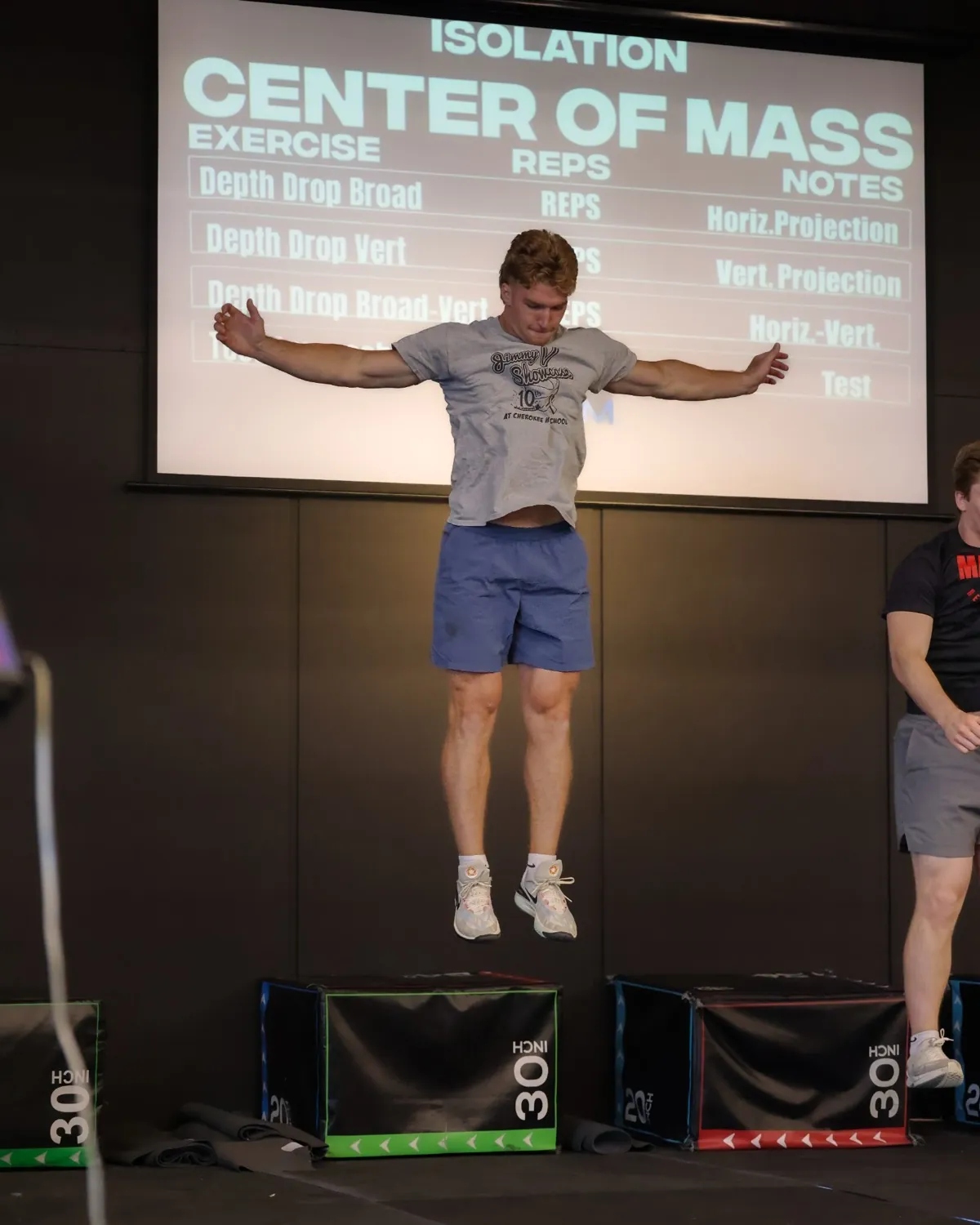
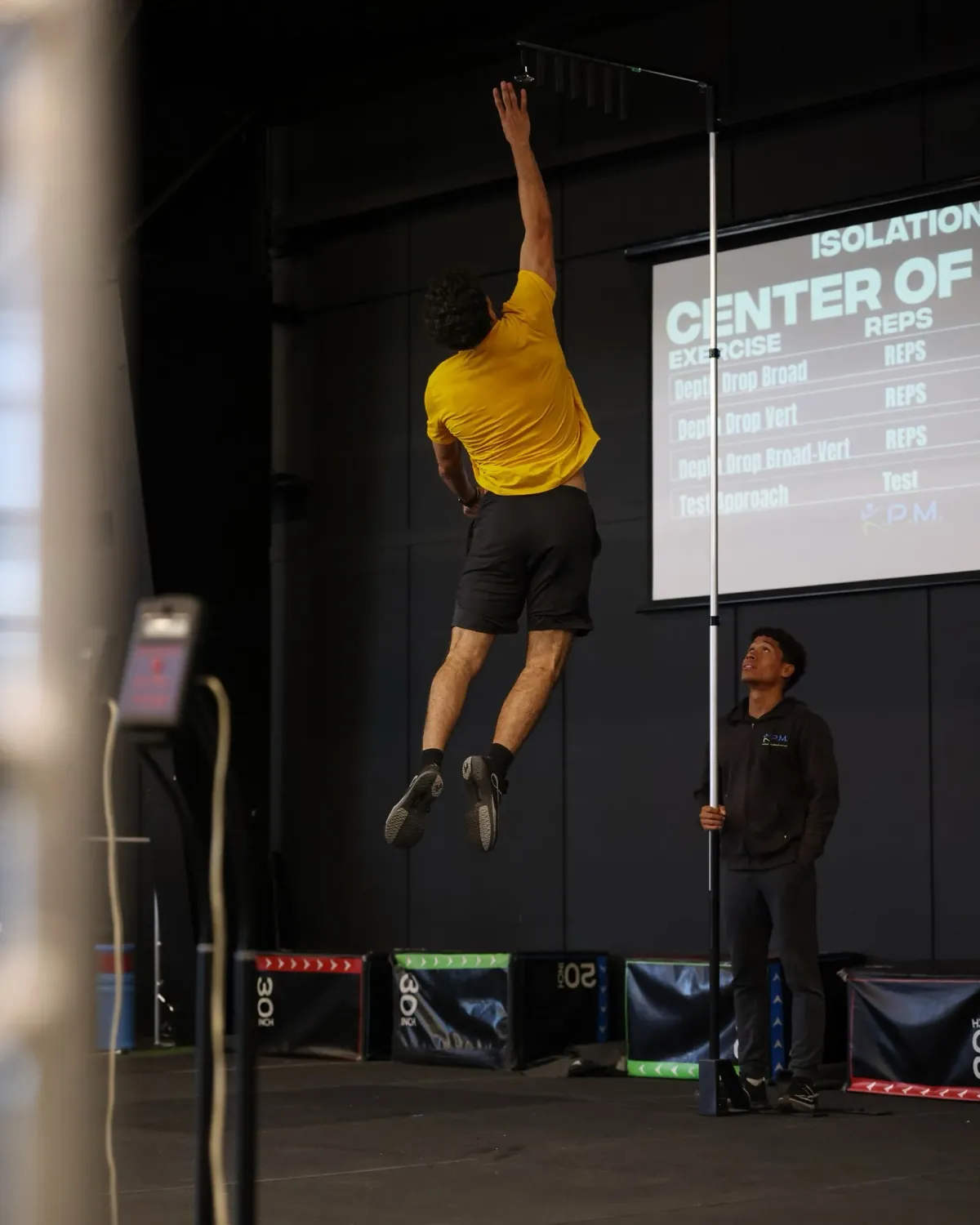
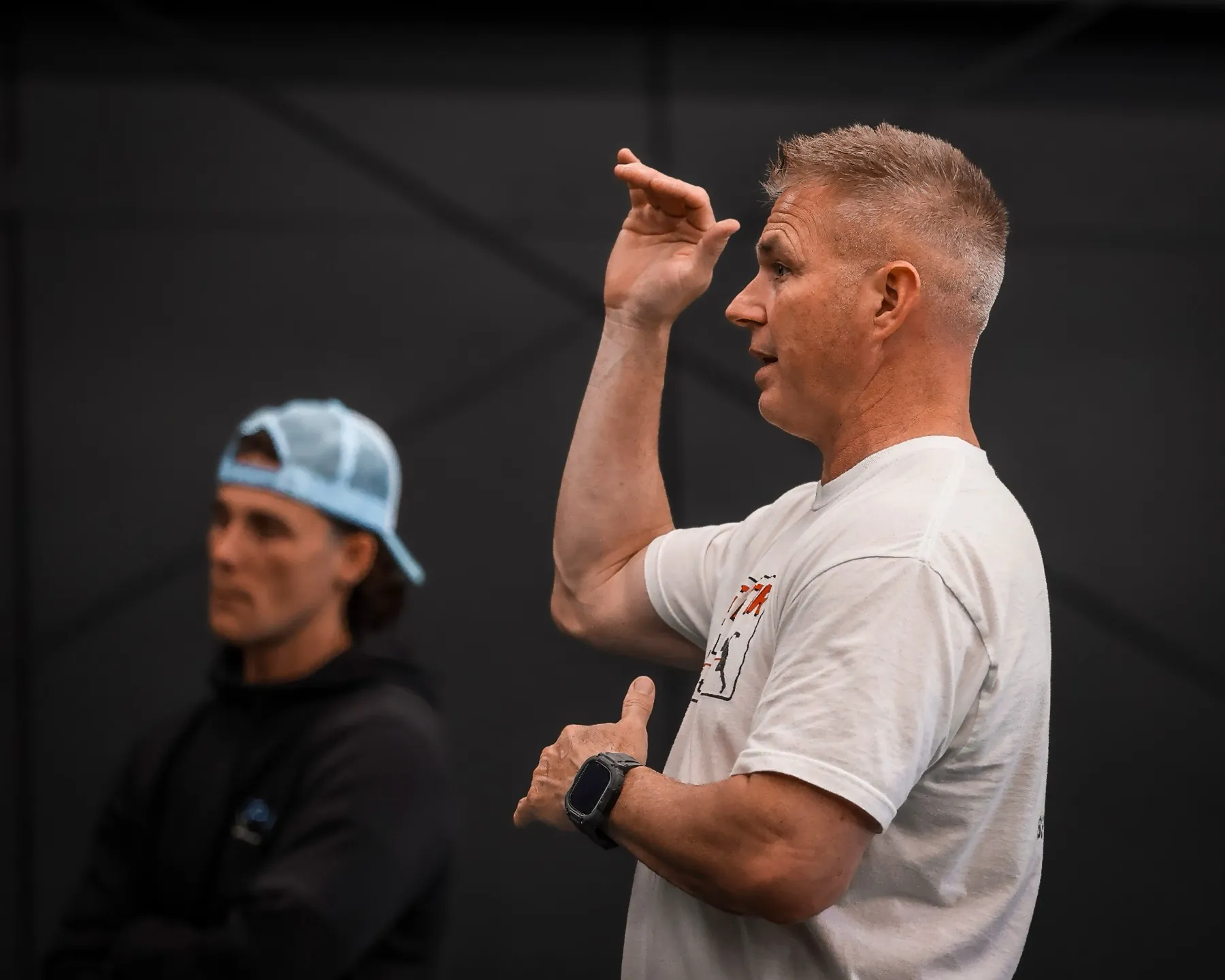
Before a rep is run, the room is told what the day is and why — what it does physically, what it does technically, and which of the four pillars it belongs to. At the end, a multiple-choice quiz goes up on the jumbotron reviewing what just happened on the floor, proctored by Coach David Klemic or Cruz Lewis. Every answer comes back with the reason it is right.
See how a class runs →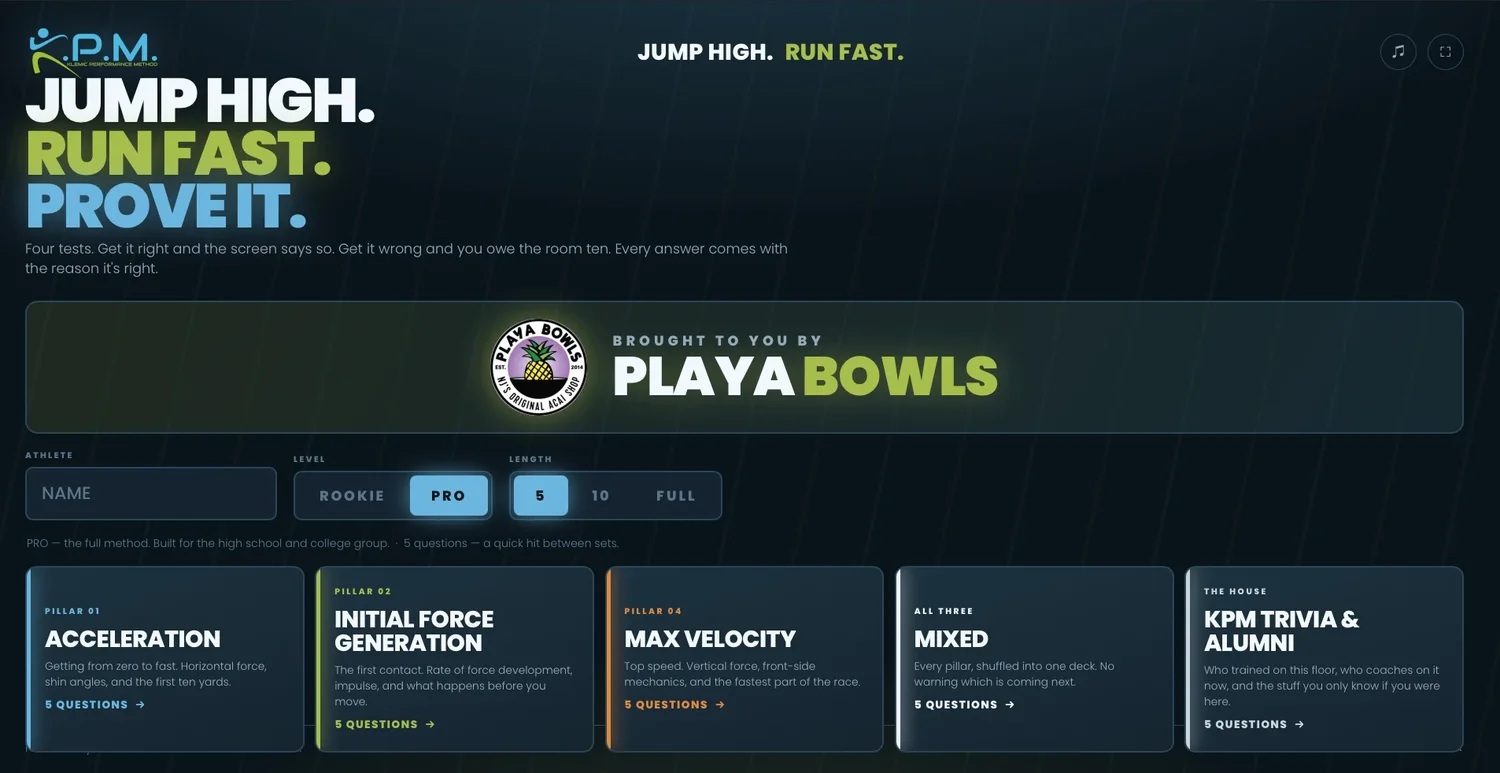
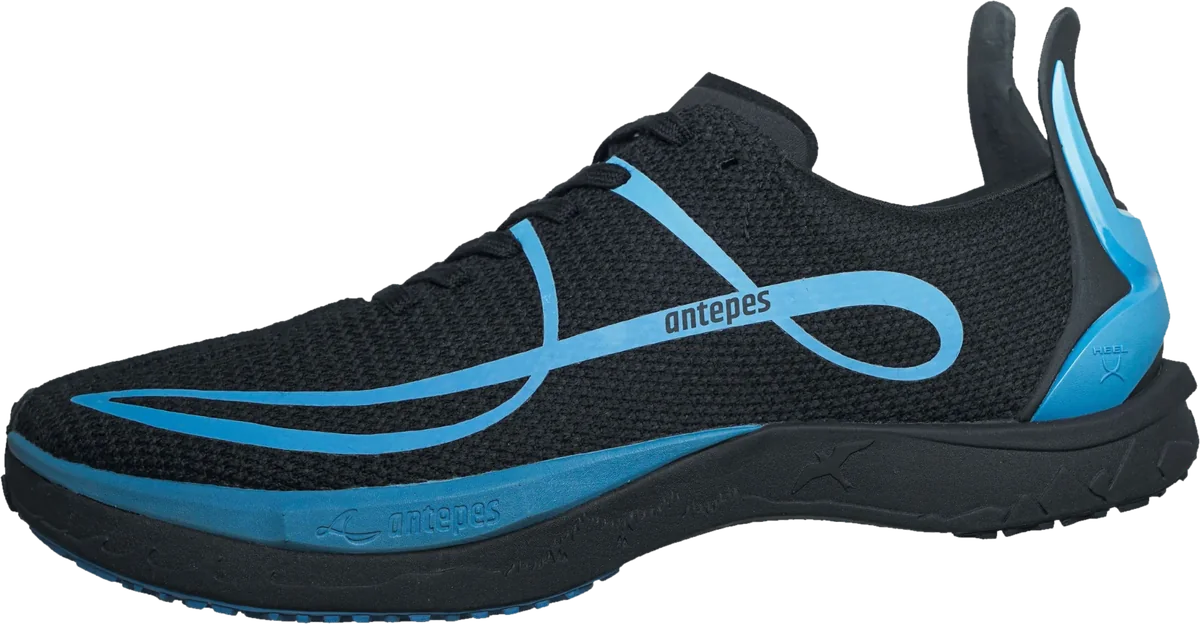

We proudly endorse the Antepes Muscle Runner as the official shoe recommended by Klemic Performance Method. It works proper foot placement and gives direct feedback from the ground — not once a session, but on every single stride.
KPM earns a small commission on orders placed with this code.
Starting age, what a 12-week cycle looks like, coming back from injury, and training with us from out of state — answered in full.
Book a gait analysis. We'll assess your athlete and point you to the right program — no pressure, no guesswork.
Book a Gait Analysis →Call or text, whichever is easier. Tell us your athlete's age, sport, and what you're trying to improve — we'll tell you which program fits and what a gait analysis will show you.